
ENGINEERING
VELOCITY.
At ConceptPath Gaming Apps, we don't just build apps; we engineer performance environments. This is a technical breakdown of how we solve the friction between high-fidelity visuals and mobile hardware constraints.
- Target FPS 60.00
- Launch Time <1.8s
- Thermal Profile Stable
Dynamic Load Balancing: The Frame Rate Anchor
Traditional mobile gaming apps often suffer from "thermal throttling"—where the device overheats and cuts performance to save hardware. Our Frame Rate Stabilization engine works differently. It monitors GPU temperature and battery discharge in real-time, dynamically adjusting the rendering load.
Imagine a player navigating a dense, neon-lit cityscape in one of our social casino expansions. Instead of forcing the device to work at 100% capacity until it overheats, our algorithm subtly scales back non-essential background shaders. The result? A consistent 60fps experience that doesn't turn the user's phone into a heater during a 2-hour commute on a subway.
Adaptive Texture Streaming
We load 4K assets only when they enter the camera frustum, reducing initial download sizes by an average of 42%.
Memory Garbage Collection
Proprietary logic handles asset cleanup every 300ms, preventing the 'stutter' common in older Android devices.

STATUS: OPERATIONAL
Critical Performance Vectors
Asset Compression
Using advanced mesh-quantization, we reduce 3D model footprint without sacrificing geometric edge-clarity. Ideal for budget-tier hardware.
Network Prediction
Our multiplayer engine pre-emptively calculates player movement tokens, neutralizing 150ms of latent jitter in real-time battles.
Eco-Play Mode
Intelligently caps screen refresh and background data syncing during idle states to extend battery longevity by up to 25%.
The Glossary-with-Opinion
Tick Rate
The frequency of server updates. Most apps settle for 30Hz; we aim for 64Hz because competitive play demands precision over server-cost savings.
Frustum Culling
Ignoring items the camera can't see. Necessary, but often lazily implemented. We use custom culling masks to save draw calls on complex UI layers.
Haptic Latency
The delay between a click and a vibration. If it's >20ms, it feels "mushy." We trigger haptics on the input-down event, not the server-response event.
Oversampling
Rendering at a higher resolution than the display. A visual luxury we strictly limit to static UI elements to preserve battery for dynamic gameplay.
Method Note: Evaluating Robustness
Sustainability isn't a marketing metric; it's a structural requirement. Our team of Technical Artists and Backend Architects evaluates robustness by subjecting every app iteration to "Network Stress Havoc." We simulate 300ms packet loss and 15% packet drop to ensure our prediction algorithms remain seamless for the player. If the crash-free session rate falls below 99.8%, the build is rejected. No exceptions.
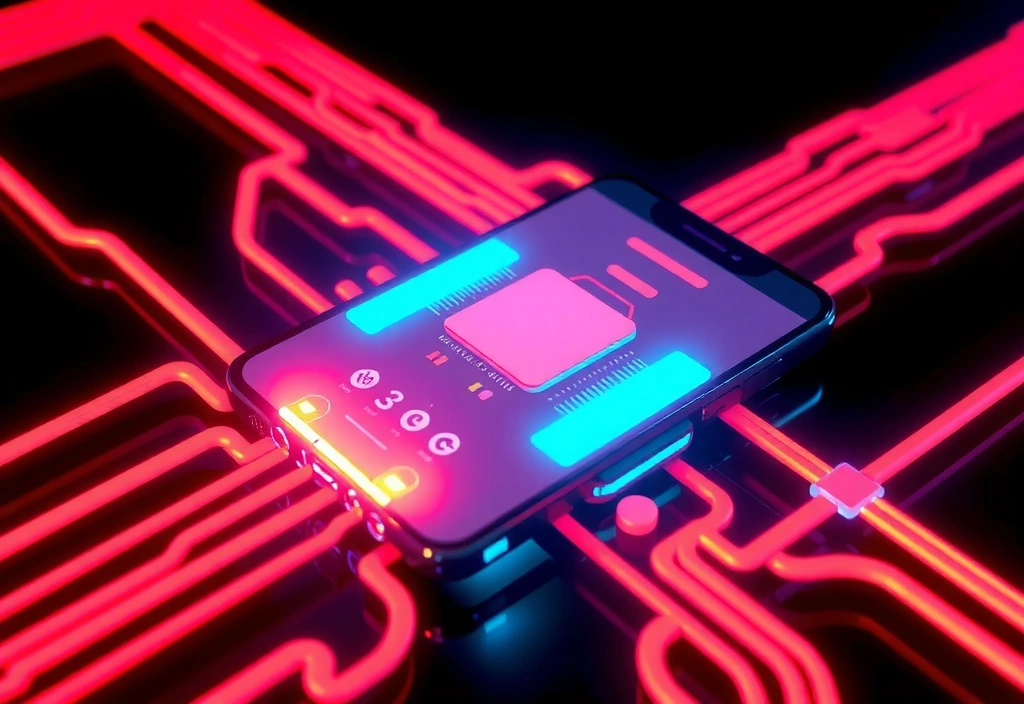
Fig 1.2: Neural Thermal Profile under sustained 100k concurrent load simulation.
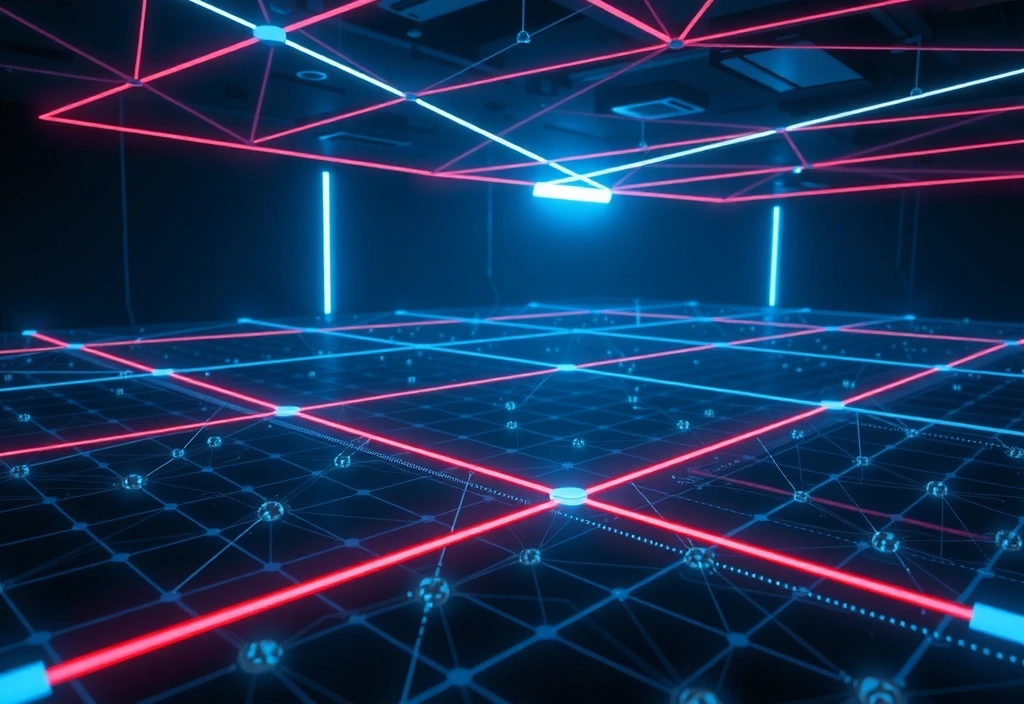
Fig 1.4: Node-to-Node Latency mapping for cross-continental player syncing.
Hard Realities & Trade-offs
-
Constraint: Ultra-High Shadows
Downside: Instant 15% increase in battery drain.
Mitigation: We use baked lighting for static environments and only dynamic shadows for immediate player interactables. -
Constraint: Low-Latency Sync
Downside: Higher server-side compute cost per user.
Mitigation: Optimized UDP protocols that prioritize movement data over non-essential state changes. -
Constraint: Universal Input Support
Downside: UI complexity increases significantly.
Mitigation: We use a modular UI scaling system that adapts the HUD layout based on whether a peripheral controller is detected.
Strategic Audit:
What the Smart Money Asks
How do you manage device fragmentation across Android?
We utilize four distinct performance profiles that auto-load based on detected chipset capabilities, ensuring the app remains playable on hardware from 2021 onwards.
What is the failover strategy for multiplayer nodes?
Our architecture uses regional edge servers with instant session-migration, allowing players to reconnect to a healthy node in under 500ms if a regional outage occurs.
Is your asset pipeline ready for next-gen ray tracing?
Yes, our foundational shaders are built on the Universal Render Pipeline (URP), meaning we can toggle hardware-level ray tracing features as mobile GPUs continue to evolve.
How do you prevent 'monetization lag' in social casino loops?
By decoupling the transaction layer from the rendering main-thread, we ensure that UI animations never freeze while processing backend logic.
Ready to deploy the
Next Performance Standard?
Bridge the gap between concept and high-fidelity reality. Our technical team is ready to discuss your specific hardware and performance constraints.